
Cape Coast & Elmina Castles: A Heritage Visitor’s Guide
Cape Coast Castle and Elmina Castle are the emotional heart of any Ghana heritage journey. The two UNESCO-listed forts sit about 30 minutes apart by road, so you can visit both in a single day from Cape Coast — guided tours run 45 minutes to an hour at each, and most travelers spend extra time at the Door of No Return. Elmina, built by the Portuguese in 1482, is the oldest standing European building in sub-Saharan Africa; Cape Coast Castle became Britain’s principal slave-trading hub in the region.
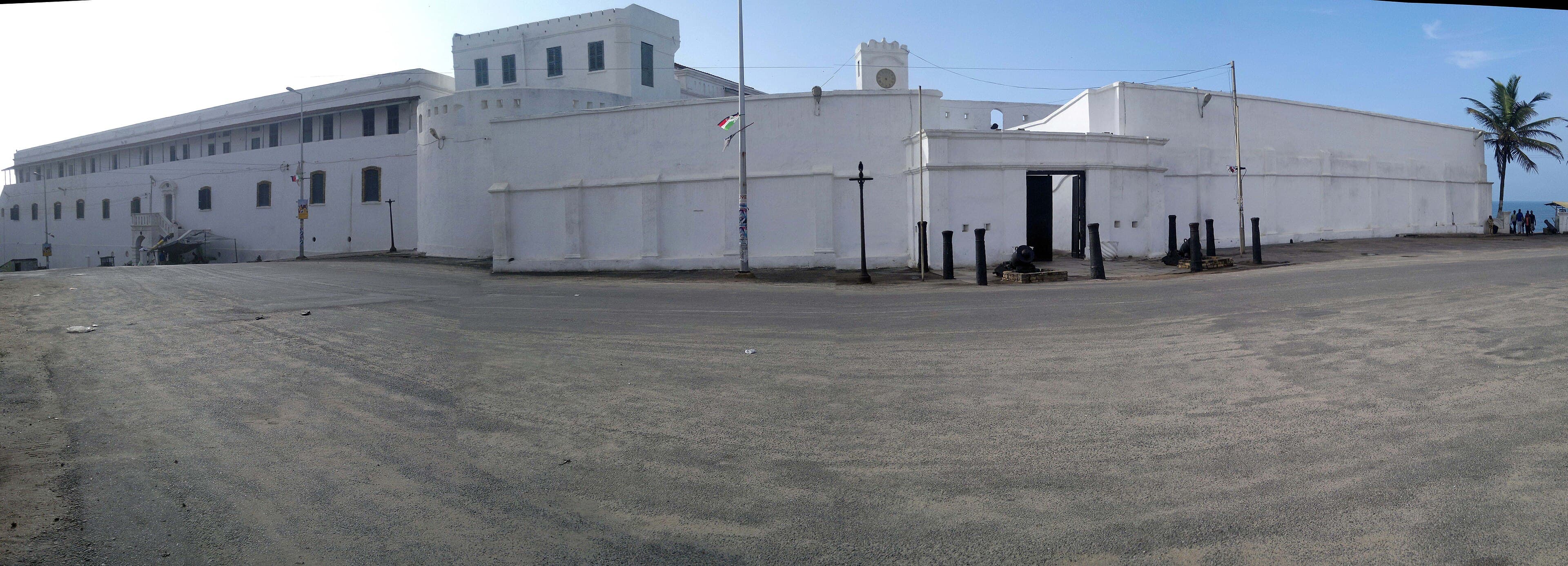
A short history you should know before you go
Elmina Castle (Fort St. George) was erected by the Portuguese in 1482 as a trading post on the Gulf of Guinea — the first of its kind, and now the oldest extant European building in sub-Saharan Africa. It later became one of the most consequential stops of the Atlantic slave trade and was designated a UNESCO World Heritage site in 1979.
Cape Coast Castle began as a timber fort built by Swedish traders in 1653 and came under British control in 1664. The British expanded it specifically for the slave trade; at the trade’s eighteenth-century peak, historians estimate that tens of thousands of enslaved Africans passed through its dungeons each year before being forced through the Door of No Return onto waiting ships.
The Door of No Return — and the Door of Return
The Door of No Return is the narrow passage through which captives left the castle for the slave ships. Standing in that doorway is, for many visitors of African descent, the single most powerful moment of the trip.
On the ocean side of Cape Coast’s door, a sign now reads “Door of Return” — added as a symbolic invitation for the descendants of the enslaved to walk back through it. Many SankofaGo travelers describe walking through the Door of Return as the moment the word “homecoming” stopped being a metaphor.
Visiting practically: timing, tours, and what to expect
Both castles are open daily and visited by guided tour. Guides are excellent — deeply knowledgeable and candid — and tours take roughly 45–60 minutes per castle, walking you through the dungeons, the governor’s quarters, and the museum exhibits.
Plan the day gently. These sites are heavy; many visitors are surprised by how physically and emotionally draining the dungeons are. Pair the morning castle visits with something restorative in the afternoon — Kakum National Park’s rainforest canopy walk is about 45 minutes from Cape Coast, and Coconut Grove Beach is nearby for a quiet end to the day.
- Go early: morning tours are cooler and quieter.
- Dress respectfully and bring water — the dungeons are hot.
- Photography is allowed in most areas; follow your guide’s direction in sensitive spaces.
- Give yourself unscheduled time after the tour. Most people need it.
Frequently asked questions
Can you visit Cape Coast Castle and Elmina Castle in one day?
Yes. The castles are about 30 minutes apart by car, and guided tours last roughly 45–60 minutes at each. A comfortable plan is one castle in the morning, the second around midday, and a restorative stop such as Kakum National Park or a beach in the afternoon.
Which is older, Cape Coast Castle or Elmina Castle?
Elmina Castle is older. It was built by the Portuguese in 1482 and is the oldest standing European building in sub-Saharan Africa. Cape Coast Castle originated as a Swedish timber fort in 1653 and was expanded under British control after 1664.
Is visiting the slave castles appropriate for children?
Families do visit, and guides adapt their delivery, but the content is graphic and emotionally intense. Many parents prepare children beforehand and plan a lighter afternoon afterward. SankofaGo itineraries pace heritage days deliberately for families.
Sources & further reading
Ready to see it for yourself?
Plan your Ghana trip free with Nana, our AI planner — then our team books every car, hotel, and guide. You just confirm, pay, and go.
Start planning — it's free