
Ghana Food Guide: What First-Time Visitors Should Eat
For a first trip to Ghana, start with familiar entry points like jollof rice, waakye, red red, kelewele, grilled tilapia, banku, kenkey, fufu with soup, and fresh tropical fruit, then let trusted local hosts help you go deeper. Ghanaian food is generous, social, regional, and often built around a starch paired with soup, stew, sauce, fish, meat, beans, or vegetables. The best food plan is not a checklist of famous dishes; it is a calm route through clean, busy kitchens, respectful table manners, allergy-aware ordering, and enough unscheduled time to enjoy meals without turning every day into a rush.
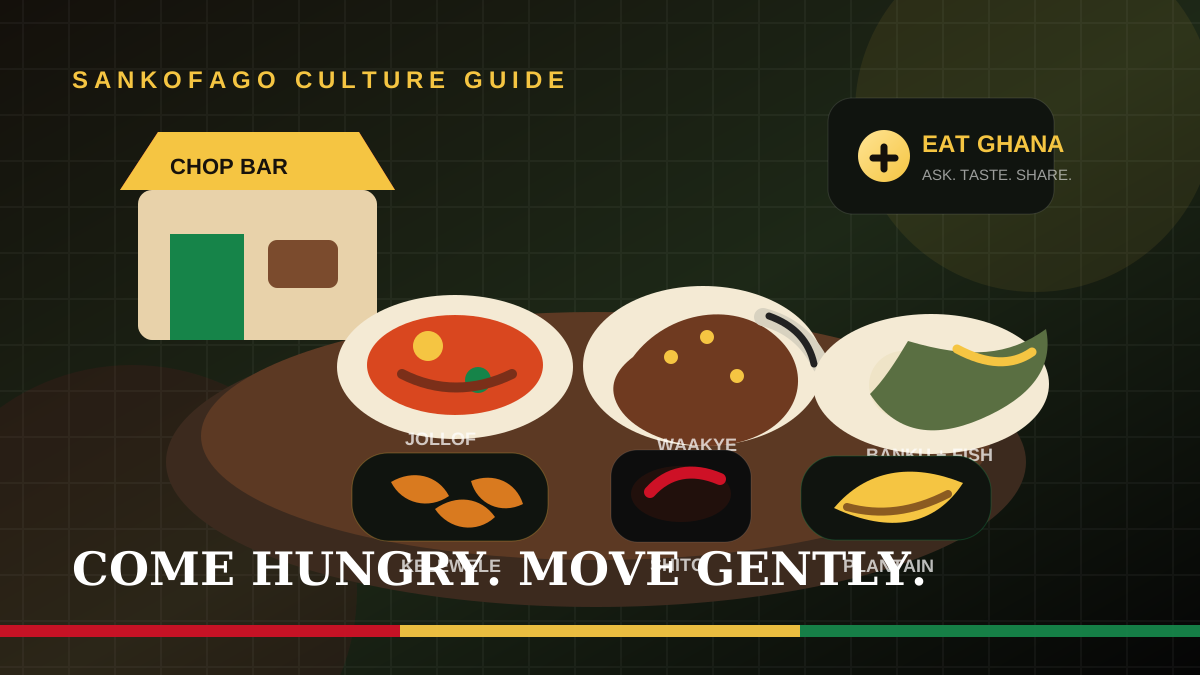
The short answer: what should you try first?
If you want a simple first-week food plan, choose one rice dish, one bean dish, one grilled fish meal, one soup-and-swallow meal, one street snack, and one careful market or chop-bar experience. That gives you range without asking your stomach, schedule, or confidence to do everything at once. Ghana Tourism Authority presents food as part of the country visitors come to "eat, wear, feel, and see," and that is a helpful frame: meals are not separate from culture, greeting, rhythm, and place.
Start gently if you are new to West African food. Jollof rice or waakye can feel easier on day one than a large bowl of soup with fufu, while kelewele or roasted plantain can be a low-pressure snack. Then build toward banku with grilled tilapia, kenkey with pepper and fish, red red with plantain, groundnut soup, light soup, palm nut soup, okra stew, kontomire stew, and regional dishes your guide or host recommends.
- Easy first order: jollof rice with chicken, fish, or vegetables.
- Classic breakfast or lunch: waakye with egg, stew, shito, gari, plantain, salad if safe, and your chosen protein.
- Coastal comfort meal: banku or kenkey with grilled tilapia, fried fish, pepper, and shito.
- Vegetarian-friendly start: red red, fried plantain, rice, beans, kontomire stew, yam, or plantain dishes, with ingredients confirmed.
How Ghanaian meals are usually built
Many Ghanaian meals center on a staple that carries a soup, stew, sauce, or pepper. Banku and kenkey come from fermented corn-based doughs, often paired with fish, pepper, soup, or stew. Fufu is a soft pounded starch, commonly eaten with soups such as light soup, groundnut soup, or palm nut soup. Waakye is rice and beans with a flexible set of sides. Red red is a bean stew commonly served with fried plantain. These descriptions are simplified, because households, regions, and cooks do not all prepare food the same way.
That variety is the point. A dish can change from Accra to Kumasi to Tamale to Ho to Cape Coast, and a family version may differ from a restaurant version. Do not use one plate to judge a whole cuisine. Ask what the kitchen is known for, what is fresh today, how spicy the pepper is, and whether the dish includes fish powder, smoked fish, shrimp, peanuts, palm nut, eggs, dairy, or meat stock if those matter to you.
Ghanaian portions can be generous, especially at local restaurants and chop bars. Share when appropriate, order fewer sides at first, and leave room for the day. A traveler who eats with curiosity and pacing will enjoy more than a traveler trying to conquer every famous food in forty-eight hours.
Chop bars, restaurants, markets, and street food
A chop bar is a local eating place, often strongest for Ghanaian staples, soups, stews, and daily dishes. Modern restaurants may offer Ghanaian classics, continental menus, nightlife energy, or polished service. Markets and street vendors are part of the food landscape too, especially for waakye, kelewele, roasted plantain, boiled corn, fried yam, fruit, pastries, and drinks. Each setting can be wonderful when chosen well.
For visitors, the practical question is not whether local food is worth trying. It is how to choose it wisely. Busy turnover, food served hot, clean handling, covered ingredients, bottled or treated water, visible cooking, and a trusted local recommendation matter. The CDC's travel food guidance is direct: hot food should be served hot, cold food cold, and travelers who choose street food should apply the same safety rules they would use elsewhere.
This is where a good itinerary helps. If your day already includes long road transfers, heat, a castle visit, or a late flight, that may not be the moment for your most adventurous meal. Use easier food on transit days and save deeper food experiences for rested days with a guide, host, or driver who knows the exact area. If you want SankofaGo to plan around food without gambling with your stomach, tell Nana at /plan what you love, avoid, and want to learn.
Food safety without losing the joy
Food safety advice should make Ghana easier to enjoy, not make you fearful. The CDC country page for Ghana says food and water standards vary by destination and that behavior matters because vaccines cannot protect travelers from many diseases. Its general travel guidance also recommends washing hands before eating, using sanitizer with at least 60% alcohol when soap and water are not available, avoiding lukewarm food, and being careful with raw produce, ice, and tap water where contamination is a concern.
A practical Ghana routine is simple: drink sealed bottled or properly treated water, avoid ice when you are unsure of the water source, choose cooked food that is served hot, peel fruit yourself where possible, and carry oral rehydration salts in your kit. Travelers with a sensitive stomach can ease in for the first two days instead of beginning with the spiciest pepper, richest palm oil, and biggest roadside meal right after a long-haul flight.
Ghana's Food and Drugs Authority says its mandate under the Public Health Act includes providing and enforcing standards for the manufacture, import, export, sale, and distribution of food and other regulated products. That national oversight matters, but individual traveler choices still matter too. Official regulation, good operators, careful handling, and your own common sense work together.
Spice, allergies, vegetarians, and special diets
Spice in Ghana is not one single level. Pepper can be served on the side, cooked into stew, blended into shito, or hidden in a soup base. Ask before ordering, and do not assume "not spicy" means no pepper at all. If you are sensitive, say plainly that you need mild food and ask for pepper or shito separately. If you love heat, still start smaller than your pride suggests; Ghanaian pepper can be serious.
Allergies need even clearer communication. Groundnut soup contains peanuts, shito may include fish or shrimp, stews may use smoked fish, and soups may include meat, fish, or stock even when the visible plate looks vegetable-heavy. Vegetarian and vegan travelers can eat well in Ghana, but they should ask specific ingredient questions rather than relying on a general label. Red red, rice, beans, yam, plantain, kontomire, garden egg stew, fruit, and some market foods can help, but preparation varies.
If a medical restriction is serious, carry a written note with plain ingredient names, bring backup snacks for long drives, and avoid improvising in remote areas where the kitchen cannot confidently answer. For group travel, decide dietary needs before the route is built. It is much easier to choose hotels, meal stops, and guides around real restrictions than to solve them at 9 p.m. on a highway.
Table manners and respectful food curiosity
Food is one of the easiest places to show respect. Greet before ordering, ask before photographing vendors or cooks, and let your host explain how a dish is eaten before announcing that something is strange. Some foods are traditionally eaten with the right hand, especially swallow-and-soup meals, but utensils are common in many settings. If you are unsure, ask gently and follow the room.
Do not turn a meal into a performance of toughness. You do not have to eat everything, like every texture, or pretend a spice level is comfortable. Respectful honesty is better than mockery or panic. Try a small amount, thank the person who introduced it, and ask thoughtful questions. Our /blog/ghana-travel-etiquette-customs-guide goes deeper on greetings, photos, bargaining, and everyday courtesy.
Diaspora travelers may feel an extra emotional layer around food: recognition, memory, family stories, or grief for what was interrupted. Leave space for that too. Ghanaian food can be delicious and culturally instructive at the same time. The goal is not to consume heritage as a souvenir; it is to meet people, place, and history with attention.
Where food fits in a Ghana itinerary
Accra is the easiest place to build a broad first food arc because it has markets, chop bars, restaurants, nightlife, hotel dining, coastal fish, diaspora-influenced kitchens, and access to many regional styles. Kumasi is excellent for pairing food with Asante history, markets, family-style hospitality, and craft communities. Cape Coast and Elmina can bring coastal fish and slower meals after heritage visits. The north adds different grains, flavors, and food rhythms when your trip reaches Tamale, Mole, or surrounding communities.
Food planning should follow the emotional and physical shape of the trip. After Cape Coast Castle or Elmina Castle, some travelers need a quiet meal, not a packed restaurant. Before a canopy walk or long drive, a lighter breakfast may be wiser than a heavy bowl of soup. During December and major event periods, reservations, traffic, and late-night meals need more planning than usual.
The strongest Ghana food experiences often come from coordination: the right neighborhood at the right time, a guide who knows the kitchen, a driver who can wait without rushing you, and a plan that respects dietary needs. When you are ready, start at /plan and tell SankofaGo whether food is a gentle introduction, a central theme, a family-history thread, or a practical concern. We can shape the route around that without turning every meal into homework.
Frequently asked questions
What Ghanaian food should I try first?
Start with jollof rice, waakye, red red with plantain, banku or kenkey with fish, grilled tilapia, kelewele, and one soup such as groundnut soup, light soup, or palm nut soup. Choose clean, busy places and build up gradually if you are new to the flavors.
Is street food safe for tourists in Ghana?
Street food can be part of a good Ghana trip, but choose carefully. Favor busy vendors, food cooked and served hot, clean handling, and sealed drinks. Avoid raw produce, unsafe water, and ice when you cannot confirm the source.
Can vegetarians eat well in Ghana?
Yes, but vegetarians should ask specific ingredient questions. Beans, rice, yam, plantain, kontomire, garden egg stew, fruit, and red red can help, but soups and stews may contain fish, shrimp, meat, or stock even when they look vegetable-based.
Is Ghanaian food very spicy?
Some Ghanaian food is spicy, but not every dish has the same heat level. Ask for pepper or shito on the side, explain that you need mild food if you are sensitive, and taste slowly before adding more.
What is a chop bar in Ghana?
A chop bar is a local eating place known for Ghanaian staples, soups, stews, and daily meals. For travelers, a trusted recommendation helps because quality, hygiene, dish availability, and spice levels vary by place and time of day.
How should I plan food into my Ghana itinerary?
Use easier meals on arrival and long-drive days, then plan deeper food experiences when you are rested and near trusted restaurants, markets, or chop bars. Tell your planner about allergies, spice tolerance, vegetarian needs, and any dishes you especially want to try.
Sources & further reading
Ready to see it for yourself?
Plan your Ghana trip free with Nana, our AI planner — then our team books every car, hotel, and guide. You just confirm, pay, and go.
Start planning — it's free