
Ghana Beyond the Coast: Mole Safari & Wli Waterfalls
Ghana’s nature is wildly underrated. Mole National Park — the country’s largest reserve at 4,849 km² — is home to roughly 600 elephants, the most in West Africa, and offers walking safaris where you track them on foot with an armed ranger. In the Volta Region, Wli Waterfalls is the tallest waterfall in West Africa, reached by a rainforest hike that crosses the same river eleven times. Together they turn a heritage trip into a full Ghana journey.
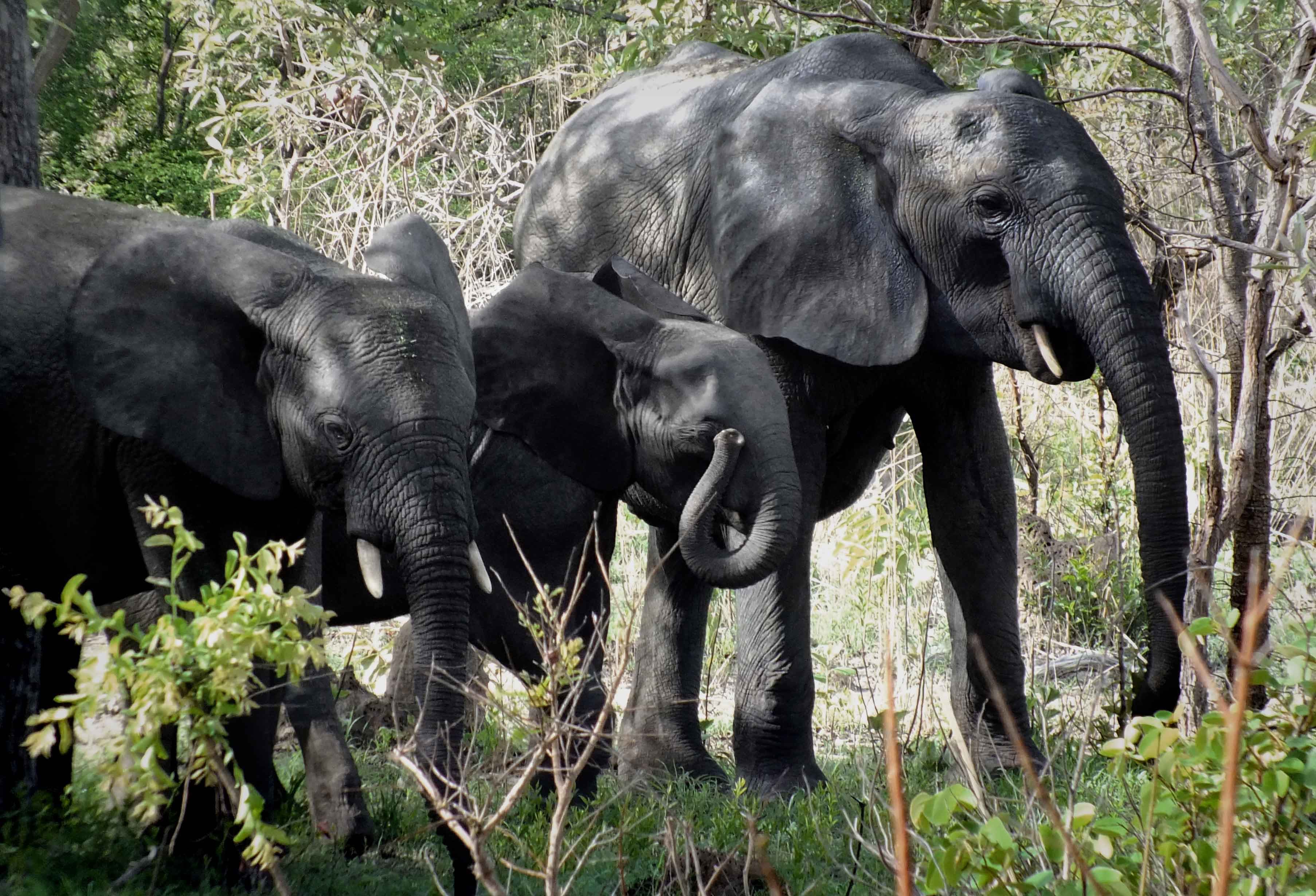
Mole National Park: West Africa’s best-kept safari secret
Mole was Ghana’s first protected wildlife area and remains its largest at 4,849 square kilometers of savanna and forest in the Northern Region. The park records about 94 mammal species — elephants, buffalo, olive baboons, warthogs, roan antelope, hartebeest, and several monkey species — plus more than 300 bird species, making it a serious birding destination in its own right.
The signature experience is the walking safari: small groups follow a ranger on foot, often getting remarkably close to elephants at the waterholes below the escarpment, especially in the dry season (roughly November to March) when wildlife concentrates around water. Jeep safaris run too, and lodges on the escarpment overlook the waterholes — you can sometimes watch elephants from the pool.
Wli Waterfalls and the green Volta Region
In the hills along the Togo border, the Volta Region is Ghana at its greenest. Its centerpiece, Wli Agumatsa Falls, is the tallest waterfall in West Africa, fed year-round and framed by cliffs where thousands of fruit bats roost. The walk to the lower falls is a gentle 45-minute rainforest trail through the Agumatsa reserve, crossing the river on eleven small bridges; the strenuous upper-falls hike rewards with views most visitors never see.
The region pairs beautifully with Lake Volta — one of the world’s largest man-made lakes — where a sunset cruise at Akosombo closes the day, and with Tafi Atome’s sacred mona monkey sanctuary and Mount Afadjato, Ghana’s highest peak, for hikers.
How to fit nature into a heritage itinerary
The classic combination is 10–14 days: Accra and the Cape Coast castles first, Kumasi’s Ashanti heritage next, then north to Mole for two nights, returning via the Volta Region — or the reverse. Domestic flights from Accra to Tamale cut the long northern drive to about an hour, and a private driver handles the rest.
SankofaGo’s planner builds these legs automatically — tell Nana you want “safari and waterfalls” and the itinerary, drivers, lodges, and park guides are arranged for you, priced transparently from $2,100 for a 7-day adventure route.
Frequently asked questions
Are there safaris in Ghana?
Yes. Mole National Park in northern Ghana — 4,849 km², the country’s largest reserve — offers walking and jeep safaris with about 600 elephants, buffalo, antelope, baboons, and 300+ bird species. It is one of the few places in Africa where you can track elephants on foot with a ranger.
How tall is Wli Waterfalls?
Wli Agumatsa Falls in Ghana’s Volta Region is the tallest waterfall in West Africa. The lower falls are reached by an easy 45-minute rainforest walk that crosses the river eleven times; a steeper trail climbs to the upper falls.
How do you get to Mole National Park?
Most travelers fly from Accra to Tamale (about 1 hour), then drive roughly 2.5–3 hours to the park. Driving the whole way from Accra takes a full day. SankofaGo arranges flights, drivers, lodges, and ranger-led safaris as part of a custom itinerary.
Sources & further reading
Ready to see it for yourself?
Plan your Ghana trip free with Nana, our AI planner — then our team books every car, hotel, and guide. You just confirm, pay, and go.
Start planning — it's free